
The Growing Demand for High-Protein, Convenient Foods
Opportunities for Brands
Make it stand out
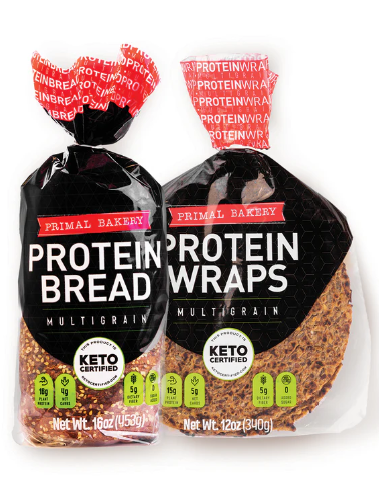
Primal Bakery’s protein bread and wraps reflect the growing demand for convenient, high-protein food options that align with modern consumer lifestyles. Products like these combine functionality with accessibility, offering everyday staples that support wellness, satiety, and on-the-go consumption. As the protein convenience category continues to expand, formats such as bread and wraps highlight how brands are adapting familiar products to meet evolving expectations around nutrition and convenience.
As you know, the growth of convenient protein products has been one of the most significant food industry trends in recent years. Consumers are prioritizing health and convenience, leading to a spike in demand for protein-enriched, easy-to-carry foods. Brands like Crepini Foods and Primal Bakery have capitalized on this trend, delivering satisfying, healthy protein options perfect for busy, health-conscious lifestyles.
In this guide, we’ll explore the rising demand for protein-based convenience foods, look at consumer motivations, and identify key opportunities for brands.
1. The Rise of Protein Convenience Foods: A Market Overview
Convenience and wellness continue to shape consumer behavior across the food industry. High-protein products have moved beyond niche demand and are now part of everyday purchasing decisions, especially among consumers focused on health, performance, and time efficiency.
Recent data from the International Food Information Council shows that more than 70% of U.S. consumers prioritize protein in their diet, with a growing share incorporating high-protein foods and beverages into daily routines. This reflects a sustained shift toward functional eating habits that support energy, satiety, and overall wellness.
Growth remains strong across protein snacks, bars, and ready-to-eat meals. The global protein ingredients and products market is projected to exceed $35 billion by 2026, driven by continued demand for convenient formats that align with fast-paced lifestyles. Consumers are not only looking for protein content but also for accessibility, portability, and consistency in quality.
This shift creates opportunities for brands to expand their product lines and strengthen their positioning within the convenience and wellness category. Companies that align product development with evolving consumer expectations are better positioned to capture long-term demand and remain competitive in a rapidly growing segment.
2. Why Health-Conscious Consumers are Leading the Demand
Health-conscious consumers continue to influence how protein is positioned across the food industry. Demand is no longer limited to fitness-focused segments. It is now driven by broader lifestyle priorities tied to wellness, convenience, and daily performance.
Everyday Wellness Focus
Protein is now associated with daily health rather than specialized use. Consumers are incorporating protein into regular meals to support energy levels, recovery, and overall balance. This shift has expanded the category beyond traditional sports nutrition into mainstream consumption.
Satiety and Balanced Nutrition
Consumers are placing more emphasis on foods that provide sustained energy and help manage appetite. Protein-rich products are often selected for their ability to support satiety while maintaining convenience and portion control. This has increased demand for products that deliver both nutritional value and practical use.
Lifestyle and Convenience Alignment
Time constraints continue to influence purchasing behavior. Protein-based snacks, ready-to-eat meals, and portable formats are gaining traction as consumers look for options that fit into daily routines. Products that combine accessibility with consistent quality are more likely to maintain repeat demand.
This shift reflects a broader change in how consumers approach food choices. Brands that align protein offerings with wellness priorities and convenience-driven behavior are better positioned to meet ongoing demand and strengthen long-term market presence.
The success of Crepini’s protein-rich products is largely due to their ease of use and satisfaction level, appealing to consumers who don’t have time for full meals but still want balanced nutrition.
3. Key Opportunities in the Protein Convenience Market
Brands that align with health-conscious behavior and time-driven consumption patterns are positioned to capture sustained demand within the protein convenience category. Growth is no longer limited to traditional formats, creating opportunities across product development, positioning, and category expansion.
Clean-Label Protein Development
Ingredient transparency continues to influence purchasing decisions. Consumers are placing greater importance on recognizable ingredients and clear labeling, especially within high-protein products. Recent consumer research shows that over 70% of shoppers are more likely to purchase products that provide full ingredient transparency. This has increased demand for protein offerings that avoid artificial additives while maintaining quality and consistency.
Expansion of Plant-Based Protein
Plant-based protein continues to gain traction as consumers adopt more flexible eating habits. The rise of flexitarian and plant-forward diets has expanded demand for protein sources such as pea, hemp, and soy. Plant-based protein products now represent a growing share of the overall protein market, with continued year-over-year growth driven by sustainability awareness and dietary preferences.
Product Format Diversification
Consumer interest is shifting beyond traditional protein bars and shakes. There is increasing demand for protein-enriched snacks, beverages, and ready-to-eat options that align with both taste and convenience. Expanding into new product formats allows brands to reach a broader audience while meeting evolving expectations around accessibility and variety.
These opportunities reflect a broader shift toward functional convenience within the food industry. Brands that combine ingredient transparency, evolving dietary preferences, and product innovation are better positioned to strengthen market presence and capture long-term growth.
4. Consumer Segments Fueling the Growth of Convenient Protein Foods
Demand for protein convenience products is shaped by multiple consumer groups with distinct needs and priorities. Understanding these segments allows brands to develop products that align with real-world usage and purchasing behavior.
Fitness-Oriented Consumers
Protein remains a core part of performance-focused diets, though consumption patterns have evolved. There is growing demand for ready-to-eat meals and snacks that provide balanced nutrition without relying on traditional powders or supplements. Products that combine convenience with functional benefits are more likely to resonate within this segment.
Working Professionals and Time-Constrained Households
Busy schedules continue to influence food choices. Working professionals and families are seeking protein options that require minimal preparation and can be consumed throughout the day. Portable formats that fit into daily routines such as work environments, travel, or on-the-go consumption are driving repeat demand.
Aging and Wellness-Focused Consumers
Older consumers are placing greater emphasis on maintaining strength, mobility, and overall health. Protein plays an important role in supporting these goals, increasing demand for products that are easy to consume and align with dietary needs. Accessibility, texture, and digestibility are key considerations for this segment.
These segments highlight how protein consumption is no longer tied to a single audience. Brands that recognize the differences in usage, lifestyle, and expectations across these groups are better positioned to develop products that support sustained growth.
5. Developing Your Protein Product Line: Best Practices
For brands looking to enter or expand within the protein convenience space, consider these strategies:
Highlight Health Benefits on Packaging: Effective packaging design can immediately communicate product benefits. By using terms like “high protein,” “no added sugar,” or “plant-based,” brands can signal health benefits that resonate with consumers at a glance.
Invest in R&D for Texture and Flavor: A common challenge in protein products is achieving a desirable taste and texture. Investing in R&D to create products that are flavorful and satisfying can set your brand apart.
Leverage Social Proof: User testimonials, reviews, and endorsements from fitness influencers can add credibility and drive interest in protein products. Consumers trust peer recommendations, especially for health-oriented products.
The Future of Protein Convenience Foods
As demand for protein-enriched, convenient foods continues to grow, the market for these products offers substantial opportunities. Health-conscious consumers are driving this trend, with preferences that favor clean-label, high-protein, and plant-based options. Brands that innovate to meet these needs—whether through diverse product lines or commitment to transparency—can succeed in this dynamic space.
Are you ready to bring a high-protein product to market or optimize your existing line? Book a consultation with us today to get personalized guidance and industry insights that can set your brand on the path to success.
Preparing your brand for the next stage of growth?
Honest Partners Group helps emerging and growth-stage businesses strengthen positioning, marketing, sales strategy, retail readiness, website messaging, and long-term development.
Read more from HPG