
What Retailers Need From Your Brand Before They Put You on the Shelf
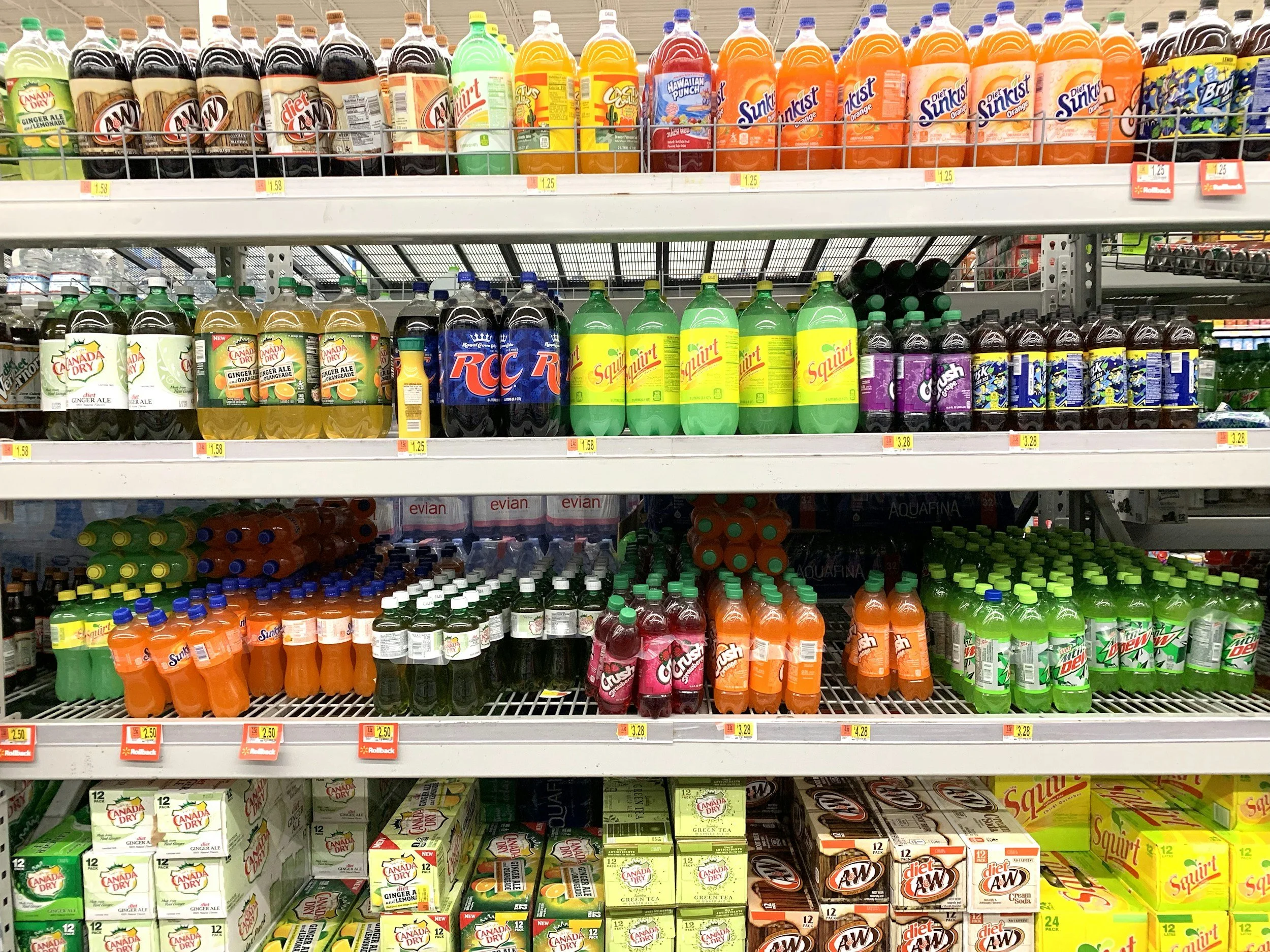
Getting a product into retail can feel like the milestone every emerging CPG brand is chasing.
A founder imagines the first shelf placement, the first buyer meeting, the first store reset, and the first photo of the product sitting next to established brands. That moment matters. It can expand reach, build credibility, and open doors that online sales alone may not reach.
Retailers see the opportunity through a different lens.
They are looking at category performance, shopper behavior, shelf space, margins, supply reliability, promotional support, packaging clarity, and the likelihood that your product will move after placement. A strong product can start the conversation. Retailers still need confidence that your brand can support the shelf.
That is where many brands feel underprepared. They arrive with passion, product samples, and a good story. The buyer needs more. They need proof that the product fits the category, has a real customer, works financially, and will not create operational problems after approval.
This guide explains what retailers need from your brand before they put you on the shelf. It is written for CPG founders, food brands, wellness brands, better-for-you companies, and emerging product businesses preparing for buyer conversations.
Key Insight
Retailers need a product story that makes commercial sense.
A buyer wants to understand what the product is, where it belongs, who will buy it, why it is different, how it will sell, and whether the brand can deliver consistently. The stronger your answers are before the meeting, the easier it becomes for the retailer to take the product seriously.
Retail readiness is a combination of positioning, pricing, packaging, operations, sales planning, and proof of demand.
Key Takeaways
Retailers evaluate category fit before they evaluate excitement.
A good product needs a clear shelf story.
Packaging has to communicate quickly in a competitive aisle.
Buyers want to see margin, wholesale pricing, suggested retail price, and promotional readiness.
Brands should bring demand proof through sales data, customer feedback, repeat purchase signals, or regional traction.
Supply reliability matters because retailers need confidence that orders can be fulfilled.
A buyer meeting should show how the brand will support movement after placement.
Table of Contents
Retail Buyers Start With Category Fit
Your Product Needs a Clear Reason to Exist on the Shelf
Packaging Has to Work Fast
Retailers Need the Financial Picture
Buyers Want Proof of Demand
Chart: Private Label Growth Raises the Bar for Branded CPG
Your Operations Have to Match the Opportunity
Your Sales Plan Should Support the Shelf
What to Prepare Before a Retail Buyer Meeting
Common Reasons Retailers Pass on Emerging Brands
FAQ
Conclusion
Retail Buyers Start With Category Fit
Retail buyers think in categories. A founder may describe a product through its origin story, ingredients, mission, or innovation. A retailer first needs to know where the product belongs. The category determines the competitive set, the pricing expectations, the shelf space, the buyer responsible for reviewing it, and the sales benchmarks it may be measured against.
A snack brand competes differently from a meal replacement brand. A refrigerated product creates different requirements than a shelf-stable product. A better-for-you cracker must explain how it performs beside traditional crackers, protein snacks, gluten-free options, or specialty diet products.
Category fit answers practical questions.
Where would this product sit?
What products would it replace or complement?
What shopper is likely to notice it?
What need does it serve better than nearby options?
What price range makes sense in that section?
A retail buyer has limited space and a long list of brands asking for attention. Your product needs to help them understand the shelf logic quickly.
A useful exercise is to visit the retailer you want to pitch and study the aisle before building the presentation. Look at the current assortment. Notice the price points. Review package sizes. Study the claims already being used. Pay attention to empty gaps and crowded areas.
That research can shape the buyer conversation. It also shows that your brand understands the retailer’s world, not only its own product.
For more on entering retail strategically, read How to Get Your Product Into Retail Stores.
Your Product Needs a Clear Reason to Exist on the Shelf
Retail buyers see many products that sound similar.
Another clean-label snack.
Another protein item.
Another wellness beverage.
Another better-for-you pantry product.
Another founder story with passion behind it.
A buyer needs to understand the specific role your product plays. The product cannot depend on broad claims alone. It needs a reason to take space from something already there.
That reason may come from taste, ingredients, format, price, audience, dietary need, regional demand, packaging, or a trend the retailer wants to serve. The strongest brands can explain the difference without making the buyer decode it.
A clear shelf reason might sound like this:
“Our product gives the retailer a high-protein cracker option for shoppers who want a familiar snack format with better nutrition.”
Or:
“This line gives regional grocery stores a premium pantry product with local appeal, clean ingredients, and a price point that works for weekly shoppers.”
The difference is focus. The product is tied to a shopper, a category, and a practical reason to carry it.
A founder should be able to explain the product in three levels:
| Buyer Question | Brand Answer |
|---|---|
| What is it? | A clear product description |
| Who is it for? | A specific shopper or use case |
| Why should we carry it? | A shelf-level reason that supports the retailer |
This is where positioning becomes more than branding. It becomes a retail tool.
For a deeper look at positioning and conversion, read How to Build a Brand Strategy That Converts.
Packaging Has to Work Fast
A retail buyer may understand your product after a full pitch. A shopper in the aisle will not give you that much time.
Packaging has to do several jobs quickly. It needs to identify the product, show the main benefit, create appetite appeal, support trust, and look credible beside stronger known brands.
Many emerging brands overpack the front panel with claims. They want to mention every benefit because every benefit feels important. The result can feel crowded.
The better approach is hierarchy.
Lead with the strongest purchase reason.
Support it with one or two key proof points.
Let the back panel, product page, and website explain the deeper story.
A package review should answer these questions:
Can the shopper tell what the product is?
Can they understand the main benefit within a few seconds?
Does the design fit the category while still standing out?
Are the claims easy to read?
Does the package look credible beside established brands?
Does the format work for the shelf, case, display, or peg?
Better packaging helps the buyer picture how the product will perform in a real aisle. It also reduces the amount of education the retailer has to do for you.
Retailers Need the Financial Picture
A buyer conversation has to include the numbers.
The product may be exciting, but the economics still have to work. Retailers need to understand suggested retail price, wholesale cost, margin, promotional expectations, distributor involvement, minimum order quantities, freight considerations, and any introductory allowances.
Founders sometimes enter retail conversations with pricing that worked online but does not survive wholesale. Once distributor margins, retailer margins, promotions, freight, packaging, and chargebacks enter the picture, the math can change quickly.
Retailers want pricing that makes sense for three groups:
The shopper has to see value.
The retailer has to earn margin.
The brand has to protect enough profit to keep supporting the account.
A simple retail pricing table can help the buyer see that the brand has done the work.
| Financial Item | Why It Matters |
|---|---|
| MSRP | Shows where the product sits for the shopper |
| Wholesale price | Shows the retailer’s buying cost |
| Retailer margin | Shows whether the shelf economics work |
| Promotional plan | Shows how the brand can support trial |
| Freight and distribution costs | Shows whether fulfillment is sustainable |
| Minimum order quantity | Shows whether store-level ordering is practical |
A founder does not need to reveal every internal cost. The buyer does need a clear commercial structure.
Buyers Want Proof of Demand
Retail buyers are careful because every new product carries risk.
Proof of demand helps reduce that risk. It gives the buyer a reason to believe shoppers will notice the product, try it, and come back for it.
Proof does not always need to come from national retail. Emerging brands can use smaller signals when they are honest and relevant.
Useful proof can include:
Online sales history
Repeat purchase rates
Customer reviews
Email list growth
Social engagement from the right audience
Strong performance in farmers markets or specialty stores
Regional traction
Wholesale reorder history
Sampling results
Press mentions
Influencer or community response
Category trend data
The quality of the proof matters more than the amount. A small but clear signal from the right customer can be more useful than broad attention with no purchase behavior behind it.
For example, a wellness snack brand with strong repeat purchase from local gyms, specialty stores, and online customers can use that pattern to support a regional retail pitch. The story becomes more grounded because the brand is not asking the buyer to take a blind chance.
If your current sales process lacks structure, read How to Build a Sales Strategy That Actually Grows Your Business.
Private Label Growth Raises the Bar for Branded CPG
Retailers are also investing heavily in their own store brands. That creates a stronger competitive environment for emerging branded products.
PLMA reported Circana data showing that private label dollar sales increased 4.4% during the first half of 2025, while national brands increased 1.1% during the same period.
That does not mean retailers are closed to emerging brands. It means brands need a sharper shelf argument.
First-Half 2025 Dollar Sales Growth by Brand Type
Dollar sales growth comparison between private label and national brands.
Private label growth gives retailers more control over price, margin, and shopper loyalty. Emerging brands need a stronger reason to earn space beside private label and established national brands.
Your Operations Have to Match the Opportunity
A retail yes can create pressure quickly. If the brand cannot fulfill orders, manage inventory, maintain quality, meet deadlines, or respond to retailer requirements, the opportunity can strain the business instead of strengthening it. Operational readiness includes the systems behind the product. Retailers may want to know whether your brand can handle purchase orders, case packs, barcodes, insurance, certifications, production timelines, shipping, and customer service issues.
Prepare answers before the buyer asks.
What is your current production capacity?
How quickly can you scale?
What are your lead times?
Who handles fulfillment?
Can you support multiple store locations?
Are barcodes and case packs ready?
Do you have insurance and required documentation?
How do you handle quality control?
Do you have a backup plan if demand increases?
Retailers need confidence that your brand will be easy to work with after the approval. Smooth operations protect the retailer, the shopper, and your own reputation.
This is one reason many brands stall after early interest. They have product demand, but the systems around the demand are not ready. For more on growth barriers, read Why Most Brands Never Scale.
Your Sales Plan Should Support the Shelf
A brand should be ready to explain how it will support awareness, trial, and repeat purchase after placement. The buyer may ask about promotions, demos, sampling, social media, local outreach, email marketing, influencer campaigns, retailer-specific support, or seasonal activations.
This does not mean every emerging brand needs a huge budget. It means the brand should show a plan that fits its stage.
The plan should be realistic. Retailers can tell when a brand is promising activity it cannot execute. A practical launch plan builds trust because it shows the buyer that your brand understands what happens after placement.
For brands comparing online and retail growth, CPG vs. DTC: Which Is Best for Your Brand Growth? can help frame the channel decision.
What to Prepare Before a Retail Buyer Meeting
A retail buyer meeting should feel organized.
The brand does not need to overwhelm the buyer with every detail. It needs the right materials ready, with clear answers available when the conversation gets specific.
Prepare these items before outreach:
-
The deck should explain the product, category fit, shopper, differentiation, pricing, proof of demand, and retail support plan.
-
A one-page sell sheet should include product images, case pack, UPC, MSRP, wholesale price, key claims, order information, and contact details.
-
Samples should arrive in final or near-final packaging. If the packaging is changing, explain what will change and when.
-
Have MSRP, wholesale cost, margin expectations, promotional pricing, distributor terms, and minimum order quantities ready.
-
Prepare lead times, production capacity, fulfillment process, insurance information, certifications, shelf life, storage requirements, and shipping details.
-
Bring sales history, reorder patterns, customer reviews, online performance, sampling feedback, regional wins, or category data.
-
Show how the brand will help create awareness and movement after the product reaches stores.
This preparation helps the conversation feel commercial rather than hopeful.
Common Reasons Retailers Pass on Emerging Brands
A retailer may pass for reasons that have little to do with whether the product tastes good.
The product might be too similar to existing options. The pricing may leave too little room for margin. The packaging may not communicate quickly. The founder may lack proof of demand. The operations may feel too early. The support plan may be vague.
Common gaps include:
Unclear category placement
Weak product differentiation
Pricing that does not work for retail
Packaging that requires too much explanation
No clear evidence of demand
Limited production capacity
Missing compliance documents
No plan to support sales after placement
Poor follow-up after buyer interest
A pitch that focuses on the founder story more than the retailer’s needs
This is where preparation changes the quality of the conversation. A brand that understands the buyer’s concerns can address them directly.
Honest Partners Group’s services support brands across retail readiness, sales strategy, marketing structure, positioning, and growth planning.
FAQ
What do retailers need from a brand before shelf placement?
Retailers need clear category fit, product differentiation, wholesale pricing, margin structure, packaging readiness, demand proof, operational capacity, compliance documentation, and a plan to support sales after placement.
What should a CPG brand prepare before a retail buyer meeting?
A CPG brand should prepare a sales deck, sell sheet, samples, pricing structure, operations details, proof of demand, compliance documents, and a retail support plan.
What do retail buyers look for in food brands?
Retail buyers look for products that fit their shoppers, support category growth, offer clear differentiation, work financially, meet operational requirements, and show enough demand potential to justify shelf space.
How can an emerging brand prove demand to retailers?
An emerging brand can prove demand through online sales, repeat purchase data, customer reviews, specialty retail performance, wholesale reorders, sampling results, social engagement, press mentions, or regional traction.
Do retailers care about a brand’s website?
Yes. Retail buyers may review the website to understand product positioning, brand credibility, consumer demand, where-to-buy information, and the brand’s ability to support sales beyond the shelf.
Conclusion
Retail buyers need confidence before they give a product shelf space.
That confidence comes from more than a good sample. It comes from category fit, clear positioning, shelf-ready packaging, realistic pricing, demand proof, reliable operations, and a support plan that helps the product move.
A founder who prepares those pieces before outreach has a stronger buyer conversation. The product feels easier to evaluate. The brand feels easier to trust. The retail opportunity feels more commercially grounded.
If your brand is preparing for retail, contact Honest Partners Group. We help emerging and growth-stage businesses strengthen positioning, retail readiness, sales strategy, and market development before bigger opportunities arrive.
Preparing your brand for the next stage of growth?
Honest Partners Group helps emerging and growth-stage businesses strengthen positioning, marketing, sales strategy, retail readiness, website messaging, and long-term development.
Read more from HPG